

Systems Modeling Division
We are a small group dedicated to establishing the theoretical foundation for developments within the Transdisciplinary Laboratory. Our work ranges from the development of physical and mathematical models to their analytical and/or numerical solutions. The division is responsible for the research line "Physical, mathematical, and numerical modeling of systems."
Division's history
At the beginning of 2024, the adventure of the Transdisciplinary Laboratory began its course. Shortly after it was inaugurated, it became evident that the different transdisciplinary areas that coexist to generate complex solutions to real problems required fundamental theoretical support.
The formal needs began with the requirements for modeling linear and non-linear dynamic systems coming from the budding space robotics team, which initially integrated the M. in T. A. Abraham de Jesús Pablo Sotelo to the team.
However, the team consolidated its identity and mission in January 2025, at the beginning of the A25 semester, with the formal incorporation of the student Carlos Alberto López Balcázar as a postgraduate thesis student, marking the formal beginning of its activities.
During the year 2026, Dr. Christian Louis Hanotel Pinzón, professor at the School of Applied Mathematics of the Tikhonov Institute of Electronics and Mathematics in Moscow, Russia, and researcher associated with the Transdisciplinary Laboratory, formally joins the Division.
Our identity
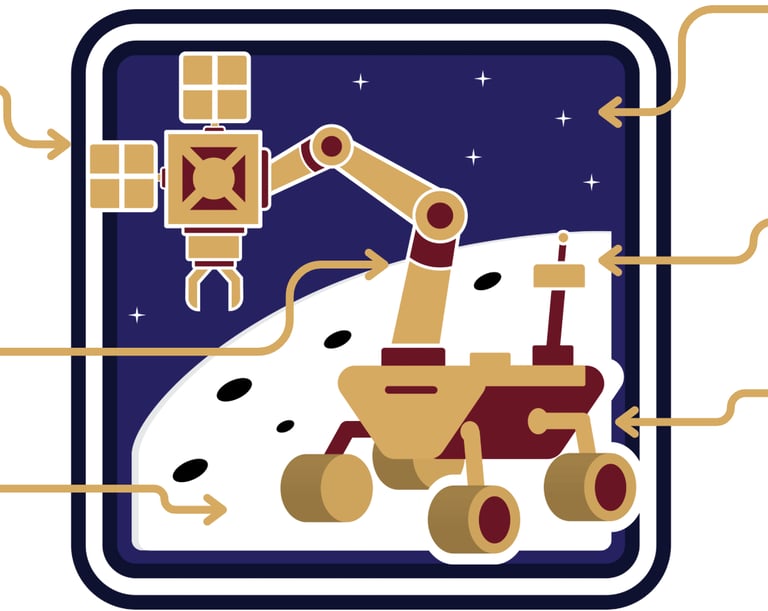
The seamless transition between the robotic arm, the satellite, and the gripper-type actuator symbolizes the team's versatility and strength in developing space systems across multiple areas, with a clear focus on space control and exploration.
The five-degree-of-freedom robot represents the tangible essence of robotics, bringing its technological complexity closer to the community and clearly showing the bridge between research and its real-world application.
The lunar surface, although physically out of reach, symbolizes innovation in robotics applied to the study of earth sciences, reflecting our capacity to explore and understand complex environments.
The stars reflect the dreams of each member, shining like beacons that guide us and inspire us to turn every project into a tangible reality.
The transceiver of the mobile robot symbolizes telecommunications technology, the vital thread that connects and guides any mobile system, being essential for the success of each space mission.
The Rover's mechanism, consisting of its movement system, wheels, and support links, represents the flexible foundations that underpin all our development, symbolizing our ability to adapt to change. Although not always visible, these foundations support every project and allow us to move forward without limits.
Leaders of the Systems Modeling Division
👨💻 Introduction:
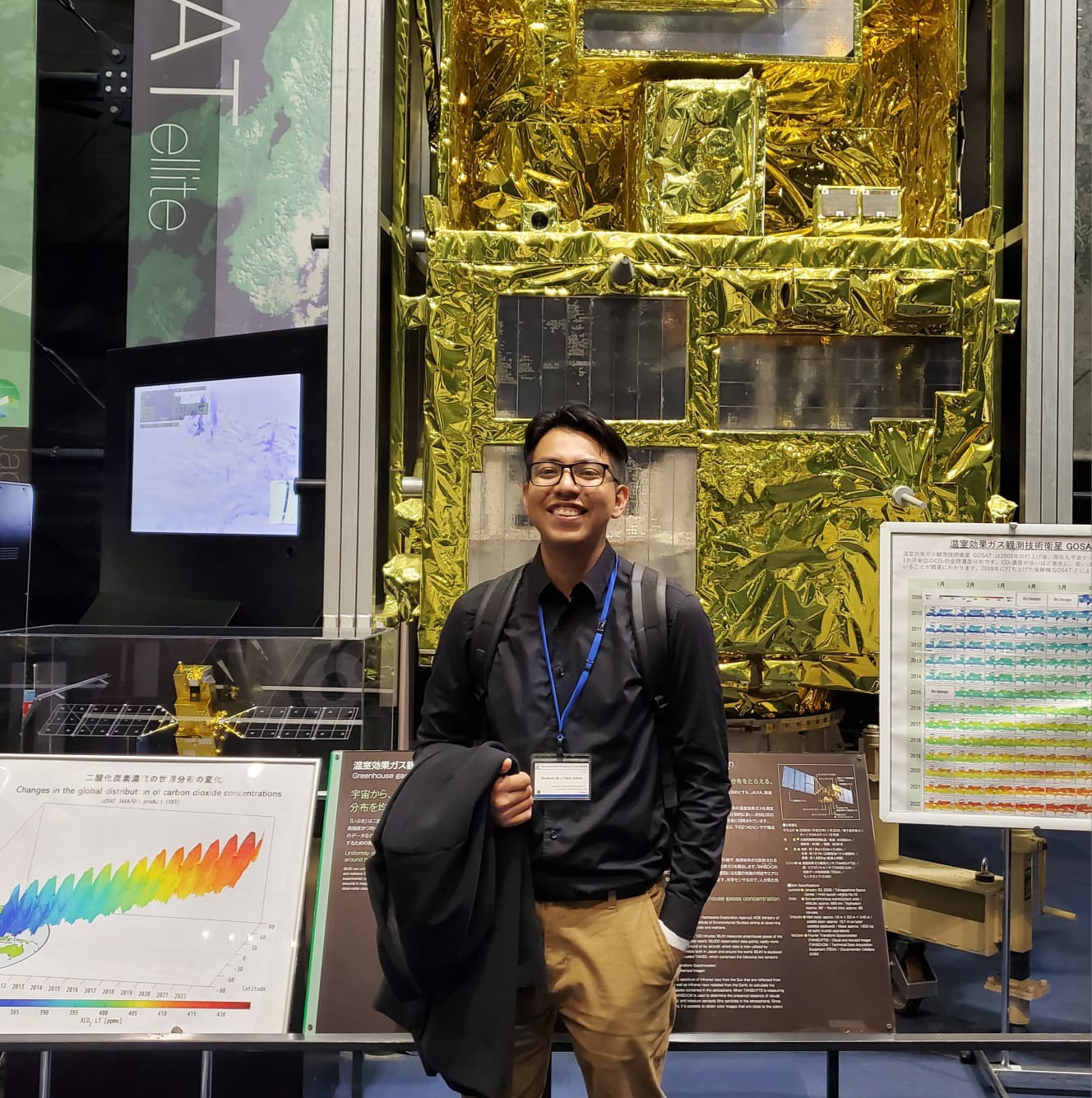
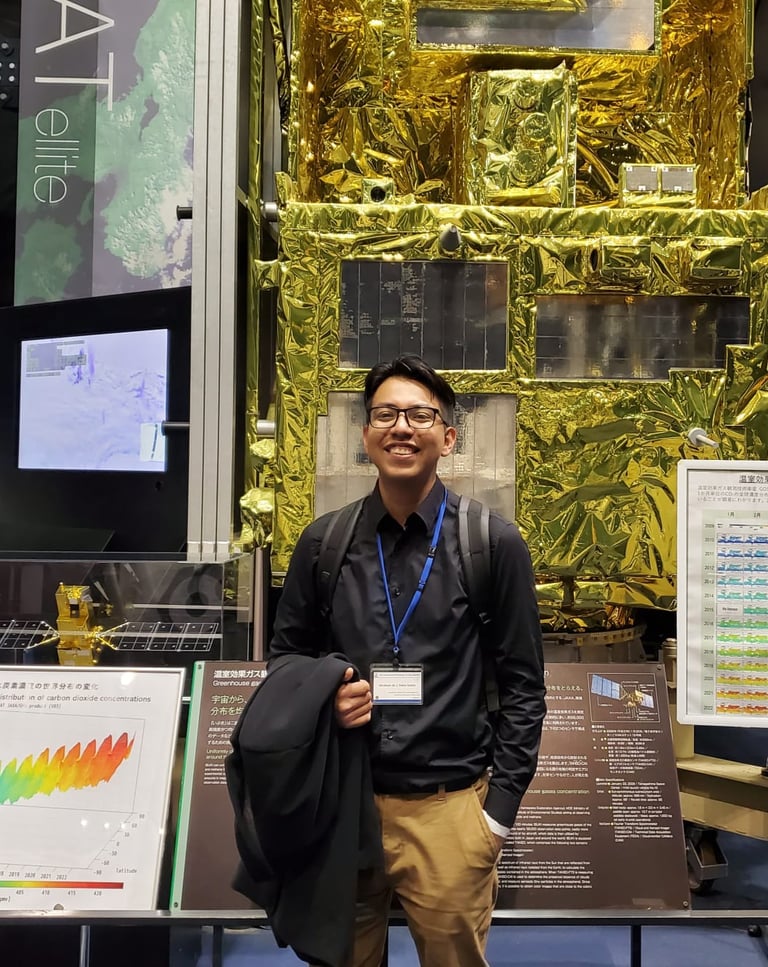
Abraham de Jesús Pablo-Sotelo, Industrial Robotics Engineer and Master's in Advanced Technologies from the National Polytechnic Institute (IPN), graduating with honors (Cum Laude) in both degrees. Currently pursuing a PhD in Robotic and Mechatronic Systems Engineering at the same institution.
🤖 Experience:
Lagrangian modeling.
Nonlinear dynamic systems.
Linearization of nonlinear dynamic systems.
Lyapunov stability.
👉 Want to know more about what I do?
✨ Discover our projects here: Research and Work Lines

👨💻 Introduction:
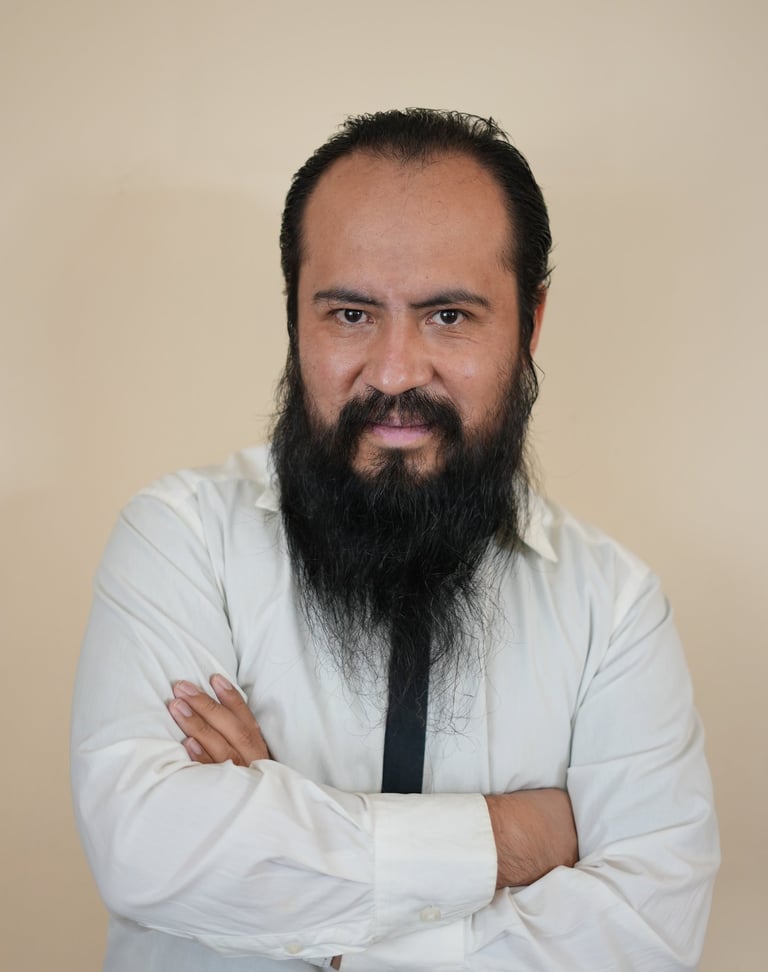
Dr. J.J. Hernández-Gómez earned his degree in Physics and a Master’s degree in Physical Sciences from the National Autonomous University of Mexico (UNAM). He obtained his Doctorate in Science from the IMP. He has presented his research findings at over 132 national and international conferences and has published more than 55 peer-reviewed, indexed research articles. He has led 19 research projects and participated in over 40, all of which were successfully approved. He has supervised numerous undergraduate and graduate theses.
🤖 Experience:
Development of algorithms and methods in aerospace engineering and technology.
Numerical simulation of natural phenomena.
Development of propagation models in linear and non-linear inhomogeneous and/or anisotropic media.
Simulation of elastic/electromagnetic field propagation with absorbing boundary conditions.
Analytical solutions for elastic/electromagnetic field propagation from diverse sources.
Computational non-linear dynamical systems.
Dynamics of variable-mass systems.
🧪 Team Foundation
Dr. Hernández Gómez spearheaded the formation of the Systems Modeling Division alongside the creation of the Transdisciplinary Laboratory; however, it was not formally established until 2025, with the formal integration of graduate student Carlos Alberto López Balcázar.
👉 Want to know more about my work?
✨ Discover our projects here: Research and Work Lines
👨💻 Introduction:
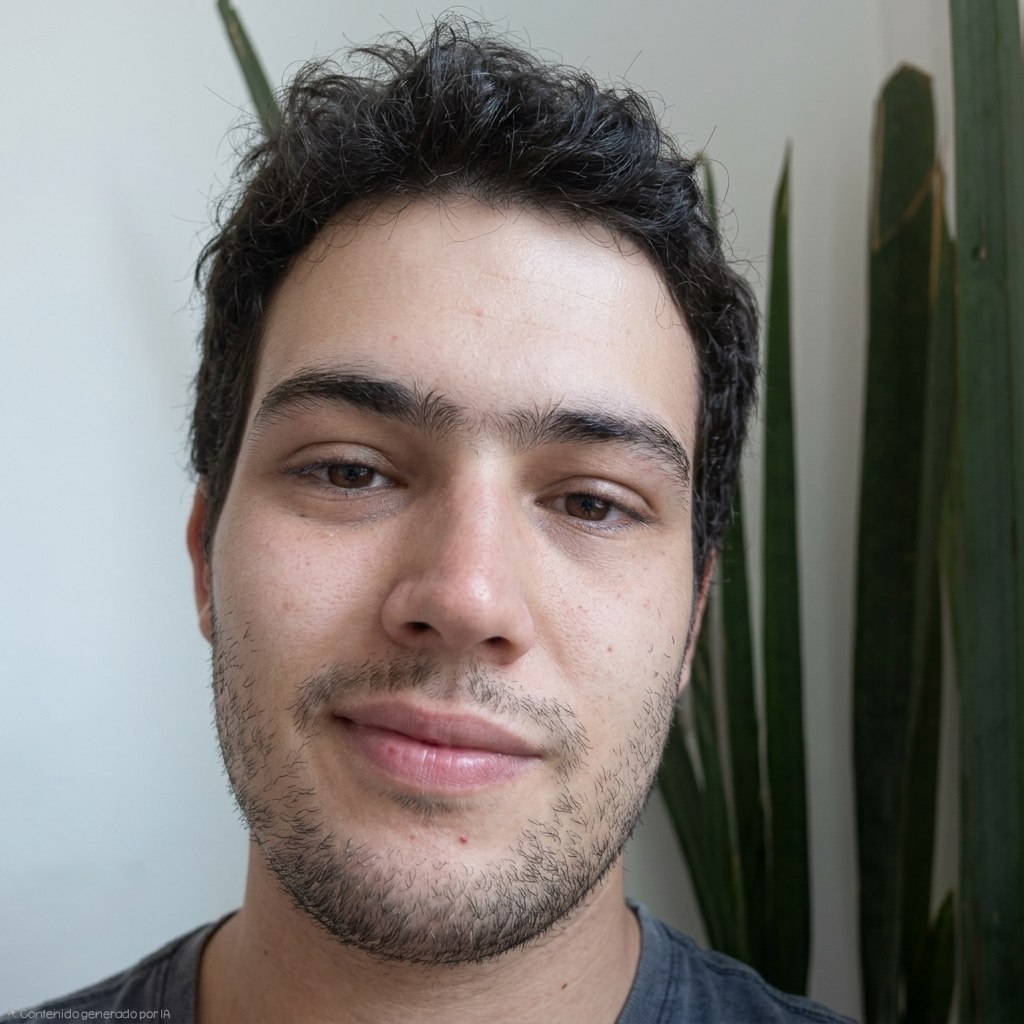
Dr. Hanotel holds a degree in Physics, a Master’s degree in Physical Sciences, and a Doctorate in Physical Sciences from the National Autonomous University of Mexico (UNAM). He completed a postdoctoral fellowship at the Tikhonov Institute of Electronics and Mathematics, where he currently serves as an associate professor in the Department of Applied Mathematics. His academic output includes over ten scientific papers as well as various articles on science communication. He has presented his research findings at more than 25 academic events, taught a wide range of courses, and supervised various student projects. He is an associate researcher at the Transdisciplinary Laboratory.
🤖 Experience:
Geometric aspects in quantum mechanics
Geometric phases
Quantum computing and information
Quantum correlations and non-locality
Quantification of quantum resources

PhD. Christian Louis Hanotel Pinzón
🛠️ Projects and Work We Offer
🛰️ Magnetic field modeling
Field modeling in magnetostatics and magnetodynamics
Modeling of non-standard geometry solenoids for magnetic field simulation
For HIL (Hardware-in-the-Loop) validation of satellite magnetic control algorithms


🤖 Wave propagation simulation
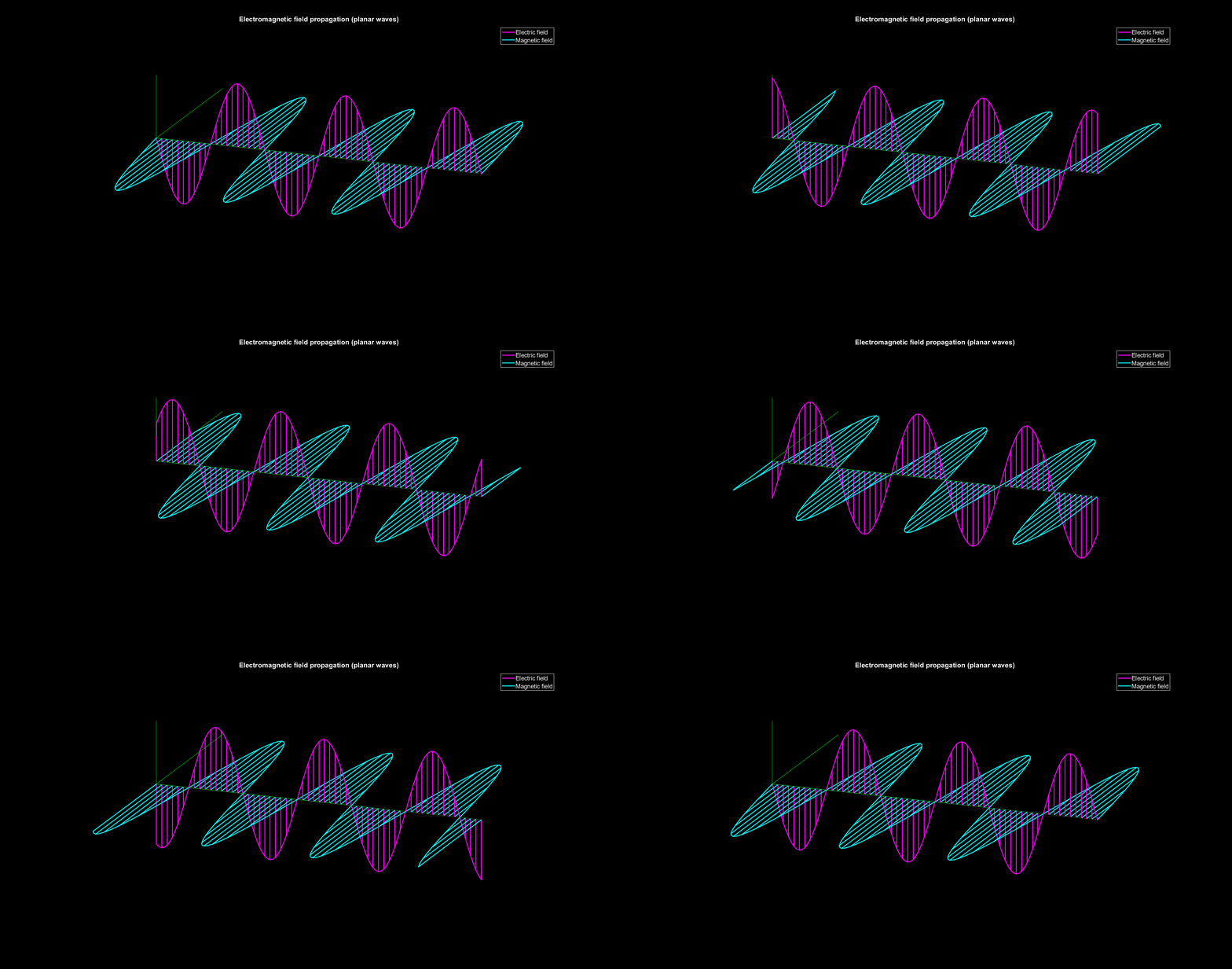
Physical propagation via Maxwell's equations
Computational simulation
Finite differences
Characterization of atmospheric layers
Earth-to-satellite link simulation


Development of physical models for physics education.
Publications on physics education.
Educational applications for engineering.
Advising on theses, internships, and final projects.
🎓 Physics Education
🎛️ History and philosophy of physics


In-depth research on the history of physics
Popular science publications on the history of physic
Development of popular science content for digital media
Seminars and discussions on the philosophy of science
Active Members
Bruno Uriel Chávez Aguirre
Physicist, Facultad de Ciencias, UNAM
Sebastián Rivera Santa Cruz
M. Sc. in Computing, CIC, IPN
Leonardo Hernández Carbajal
Mechatronics Engineering, UPIITA, IPN
Mauricio Ramírez Luna
Mechatronics Engineering, UPIITA, IPN
Carlos Alberto López Balcázar
M. Sc. in Telecommunications Engineering, ESIME Zacatenco, IPN